Monday, May 2, 2016

Don't Miss the Teacher Appreciation Sale!

Visit Educator Helper TpT Storefront for your BIG Teacher Appreciation Savings!

Sunday, May 1, 2016

Mothers and Teachers' Little Helpers

You might be thinking about the Rolling Stones' song of the same name:


but I'm referring to handouts to helps mothers and teachers prepare for Mother's Day!

Appreciation and gratitude are great skills to foster in students. Getting them talking about what appreciation and gratitude look like in application can be difficult. Therefore, use stress-free activities that allow students to discuss and collaborate to produce works that show their appreciation and gratitude for their mothers.

Afterwords, students can reflect how giving and sharing made them feel when they offered their pieces of art to their mothers. Everyone's a winner with mothers and teachers' little helpers!


Happy Mother's Day!

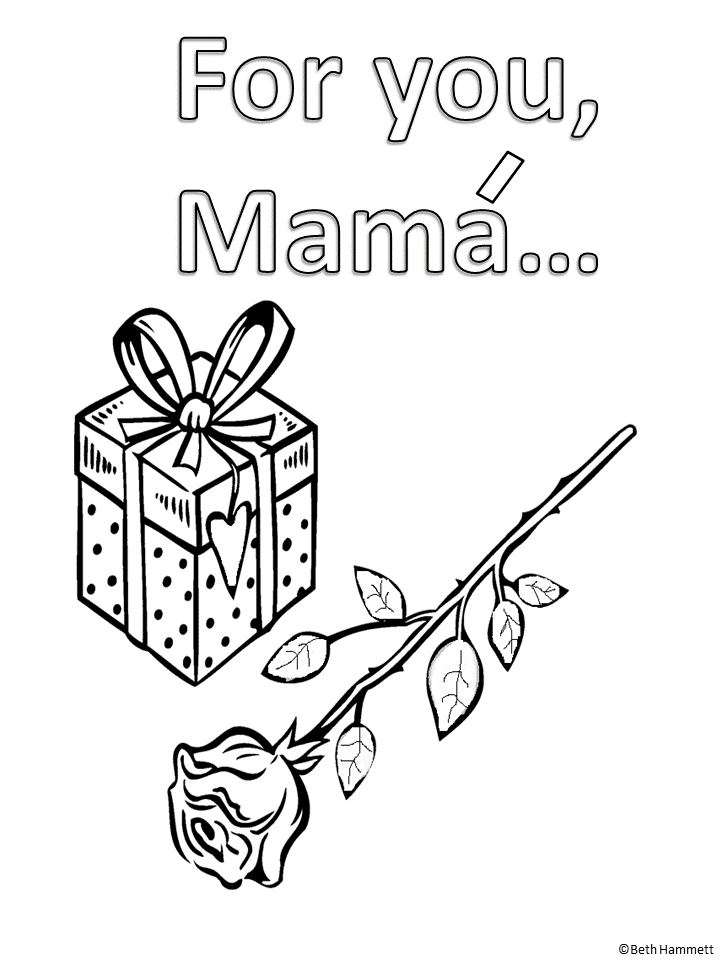
FREE Mother's Day Make and Give Handouts:


Sunday, April 24, 2016

Using Poll Everywhere in the Classroom

Need a great, cheap way to engage your students in the classroom? Try using Poll Everywhere to incorporate technology and engage students in question and answer reviews. Take a look at how Poll Everywhere can help you:


My students enjoy using their cellphones to interact in class. Plus, it's an option for competing with students' non-educational use of smartphones in the classroom. Also, the polls help teachers determine which concepts students have mastered or if concepts need re-teaching. 

Sign-up on Poll Everywhere is free, and so are polls with under specific numbers of students! It's easy to get started, and if you'd like me to share my grammar review polls with you drop me note. I love sharing!

Happy polling!


FREE "Can You Tweet in the Classroom?" (no technology needed)!


Monday, April 18, 2016

To Teach or Not to Teach Students About Readability Levels

Sometimes, it can be helpful to teach students about readability levels. First, what is readability levels? The Google definition is: readability tests "used extensively in the field of education...[that] presents a score as a U.S. grade level, making it easier for teachers, parents, librarians, and others to judge the readability level of various books and texts." 


In teacher terminology, readability is a system based on vocabulary and syllable counts that place readings and writings into grade levels. It is used in standardized passages and essays to determine their grade levels. It's also one criteria used in many computerized essay tests grade level scoring systems. One reason why teaching students about readability levels is that it offers an advantage when taking computerized essay tests. 

Playing around with readability levels on word processing programs can be fun, as well as educational, for students. It helps students to understand and use synonyms, syllable counts, and vocabulary development. However, using readability software can hamper writing skills because it takes away from author's voice and simplicity, and can change sentence meanings. Once introduced, student authors can rely on readability functions in word programs too much! 

Only you can determine whether or not you should teach readability levels to your students. After my students have mastered basic writing skills, have written a semester's worth of essays, and are ready for computerized testings, I teach readability levels on a need-to-know individual basis. Sometimes, however, I have whole classes of student authors who are ready to learn readability levels as a testing strategy. 

Here's how to enable readability on MS Word:


Take time to demonstrate to students how readability levels work by typing in simple, complex, compound, and compound-complex sentences and checking each for its readability level. This activity will show students how to increase their syllable counts in sentences. The exercise is great practice for students who will soon take computer scored essays. 

Get the complete interactive lesson: Understanding and Using Readability Levels!

To help students do better on standardized tests, try these Educator Helper products:


Monday, April 11, 2016

Using Real Life, Non-Fiction Writing to Teach Commas

Teaching commas can have your hair standing on end!

First, students use commas sparingly. Then, they use too many commas. Finally, with lots of writing practice and workshopping, they master commas and teach the rules to someone else.

What better way to help students understand comma usage than with "Using Commas in Writing"? It's great for flipped classrooms, literacy centers, individualized learning, or whole class interaction. Follow the lesson with the individual/small group comma handout activity below that uses magazines and newspapers to identify writing skills in real life articles and to understand academic versus journalism writing rules.


This activity is sure to leave you and your students "comma" relaxed!


Monday, April 4, 2016

What Teen Readers Want


Reaching teen readers can be tough! They want Dinotopia, graphic novel, high interest, fantasy world, murder mysteries, problem solving, real life, romance... 

What do they want? 

Short, high-interest readers' scripts are perfect for teen readers! The first set of three stories is historical fiction and focused around a sea theme: 

Script 1
Title: The Great Steamboat Race
Genre: Historical Fiction
Four Characters: Tom, Abby, Mr. Millborn, Mrs. Millborn
Setting: Banks of Mississippi River
No. of Acts: 1 (3 pages)
Script Overview: Tom and Abby can’t wait for the Mississippi River steamboat race! Both are surprised when Tom’s former classmate is spotted working aboard one of the ships. However, Mr. and Mrs. Millborn are shocked to learn their son’s classmate dropped out of school to work on a river boat. Can two parents persuade their son to continue his education, or will an exciting life on the Mississippi River persuade him to join his classmate? 

Script 2
Title: The Frozen Fiancés
Genre: Historical Fiction
Four Characters: Narrator, Richard, Lydia, and Captain
Setting: Ship’s Deck, December 22, 1850, Rockland Harbor, Maine
No. of Acts: 3 (3 pages)
Script Overview: Richard and Lydia are aboard a schooner on their way to Owl’s Head Lighthouse to be married when a winter storm delays them. Can the captain safely guide the ship across the harbor, or will their lives end in Rockland Harbor? This historical fiction script is based upon a true story that resulted in Owl’s Head Lighthouse being named the most famous haunted place in America.


Script 3
Title: Terror Aboard the Titanic
Genre: Historical Fiction
Three Characters: Jane, John, Edward
Setting: 1915 local newspaper office
No. of Acts: 1 (4 pages)
Script Overview: Jane and John, twin sister and brother, survived a horrifying night aboard the unsinkable Titanic. Now, the twins relive the story when Edward, a local reporter, interviews them for a fantastic scoop. But, is the journalist more interested in Jane or the Titanic tale? Historical facts about the Titanic and its fateful voyage make this historical fiction script an interesting read.

These 3-4 page scripts are perfect for at-risk, ESL/ELL, homeschool, flipped classrooms, and even for AP. Great for classes with short time frames and students with short attention spans! Use for close readings and critical analysis. Perfect for standardized test prep for analyzing text and meaning. Social topics and historical fiction combined for quick lessons that reinforce reading and writing skills. Great for small group settings and literacy centers. 

The critical readers' guides come with:
3 Readers theater-like scripts of 3-4 pages each
1 Readers' Script Getting Started Packet


Readers' Script Critical Thinking handouts:
Readers' Script Information Guideline for implementing activities
Subject
Theme
Plot line
Mood
Tone
Character analysis
Text evidence
Symbolism
Genres
6 Project based assignments
2 Fact based, real life connection assignments
Fabulous Vocabulary Handout with graphic organizer
Differentiated vocabulary list

Give Terror Aboard the Titanic a try with your teen readers:


Monday, March 28, 2016

Marvelous Plastic Crates

My first year of teaching found me with few educational materials and no extra money. Yet, I was desperate to furnish and stock my first classroom. This is where plastic crates saved the day!


I was headed home the week before school started when I spied a stack of plastic crates used for storing milk jugs sitting behind a restaurant. Why hadn't I thought of it before? There sat the perfect solution to my classroom library and storage problem.

The restaurant's manager wouldn't give the plastic crates away since "they belong to the milk company". But, he suggested I drop by tomorrow around the same time and ask the driver of the milk truck. I took his advice and raced right over after school. The milk truck was parked near the crates, and the driver was filling out paperwork.

I lost no time in pleading my case. Fortunately, the driver told me I could "take a few each afternoon over the next several days".  I ended up with ten plastic crates.

After spray painting some of the older plastic crates, I stacked them in two places in my classroom: some behind my desk and the rest in the corner designated as the classroom library. I acquired more crates as the year went along. I used some for storing class sets of textbooks. Also, I used one crate for each of my five classes and inserted alphabetized file folder inserts into each one. Students made portfolios from manila folders. They covered the folders with personal story Road of Life maps to use for writing prompts throughout the year. Each class had a designated crate that they stored their portfolio folders in. The crates worked much better than bookcases or file cabinets.


At the end of the school year, I was told that teachers needed to pack up their classrooms so cleaning and painting could take place. I didn't have to pack a thing! Instead, I righted my plastic crates and toted them home for the summer.

Those marvelous plastic crates made my first year of teaching so much easier! Let me know about your great classroom uses for plastic crates...

In honor of milk and plastic crates, here's some FREE Dairy Month handouts to celebrate! Find the complete set at my TpT Storefront: